For Gen-Z, social performance is a survival skill. Traditional therapy is too slow — the
conscious mind "edits" the truth before speaking. We built a card game that forces the
answer before the edit.
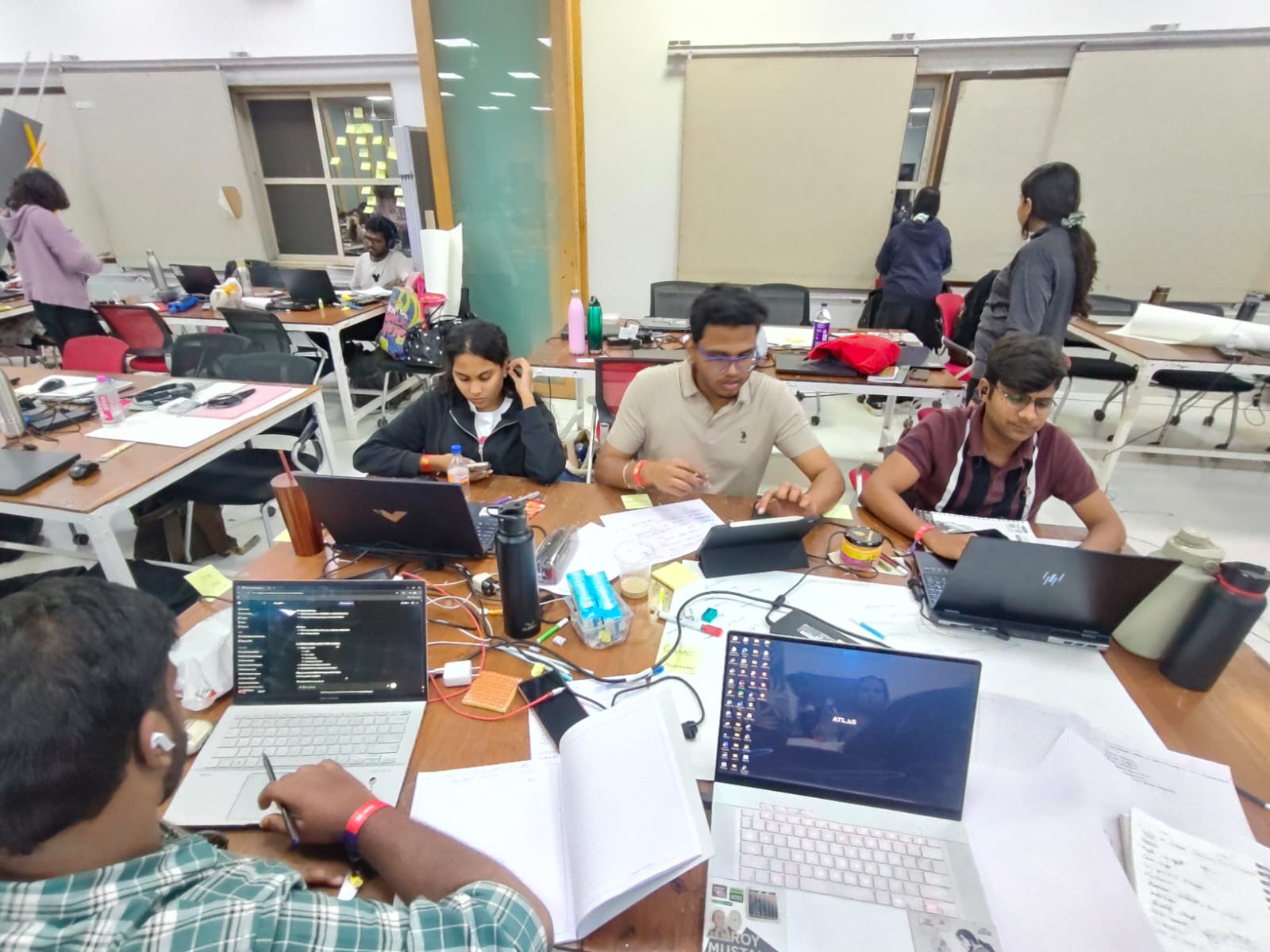
Timeline48-Hour Game Jam
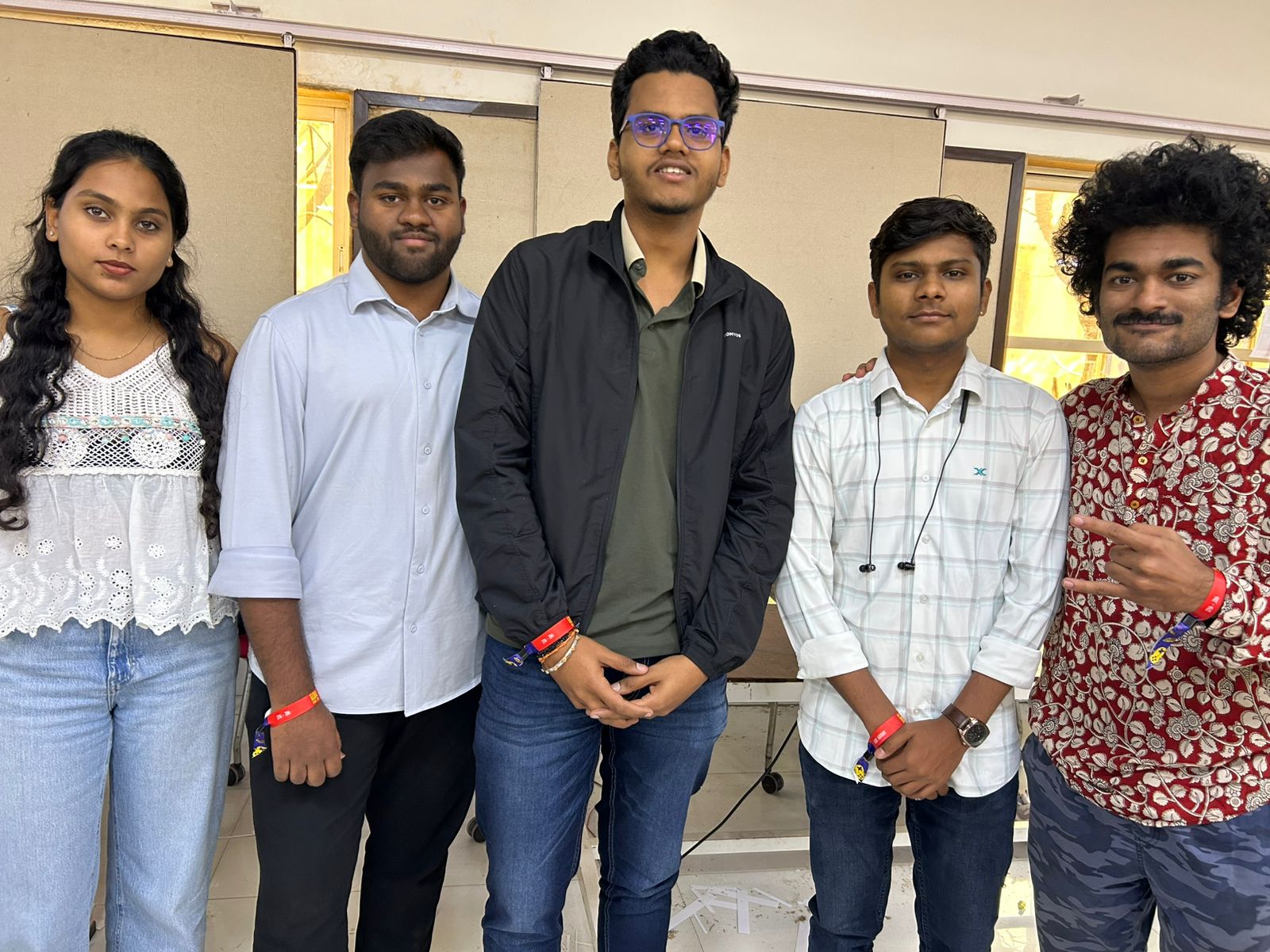
Team5 Members
My RoleLead — Design, Research, Pitch
FormatGlobal Game Jam
OutcomePotential Funding Interest
01 — The Problem
The performative generation can't stop masking.
For the 13–25 demographic, social masking isn't a choice — it's a survival mechanism. They
curate identities for classrooms, parents, Instagram, and therapy sessions. Traditional clinical tools give
patients unlimited time to respond, which means the conscious mind has time to "edit" reality to protect the
ego.
Standard projective testing (Rorschach, TAT) works — but it's slow, requires trained clinicians, and feels
clinical. The 13–25 group disengages the moment they feel like a "patient." The result: weeks of
small talk before a therapist reaches the actual trauma.
13–25
Target age group — peak social masking
15s
The window before the conscious mind edits truth
4min
Time for players to drop their social masks
02 — The Core Insight
The brain answers truthfully in 3–5 seconds. After 7, it constructs a lie.
This was our original research synthesis. Given more than 20 seconds, the conscious mind "edits" reality to
protect the ego. We identified this as a fundamental design flaw in every existing clinical tool — they all
give unlimited response time.
The 15-Second Pressure Valve
By capping the response at 15 seconds, F2F creates a Cognitive Bottleneck. The player is
forced to speak before they can finish building a "safe" lie. This is the only way to ensure the answer
is a projection from the subconscious rather than a performance for the doctor. If a player consistently
hits the 15-second limit or gives literal answers under pressure, it indicates High Cognitive
Load — often associated with neuro-disability masking or PTSD hypervigilance.
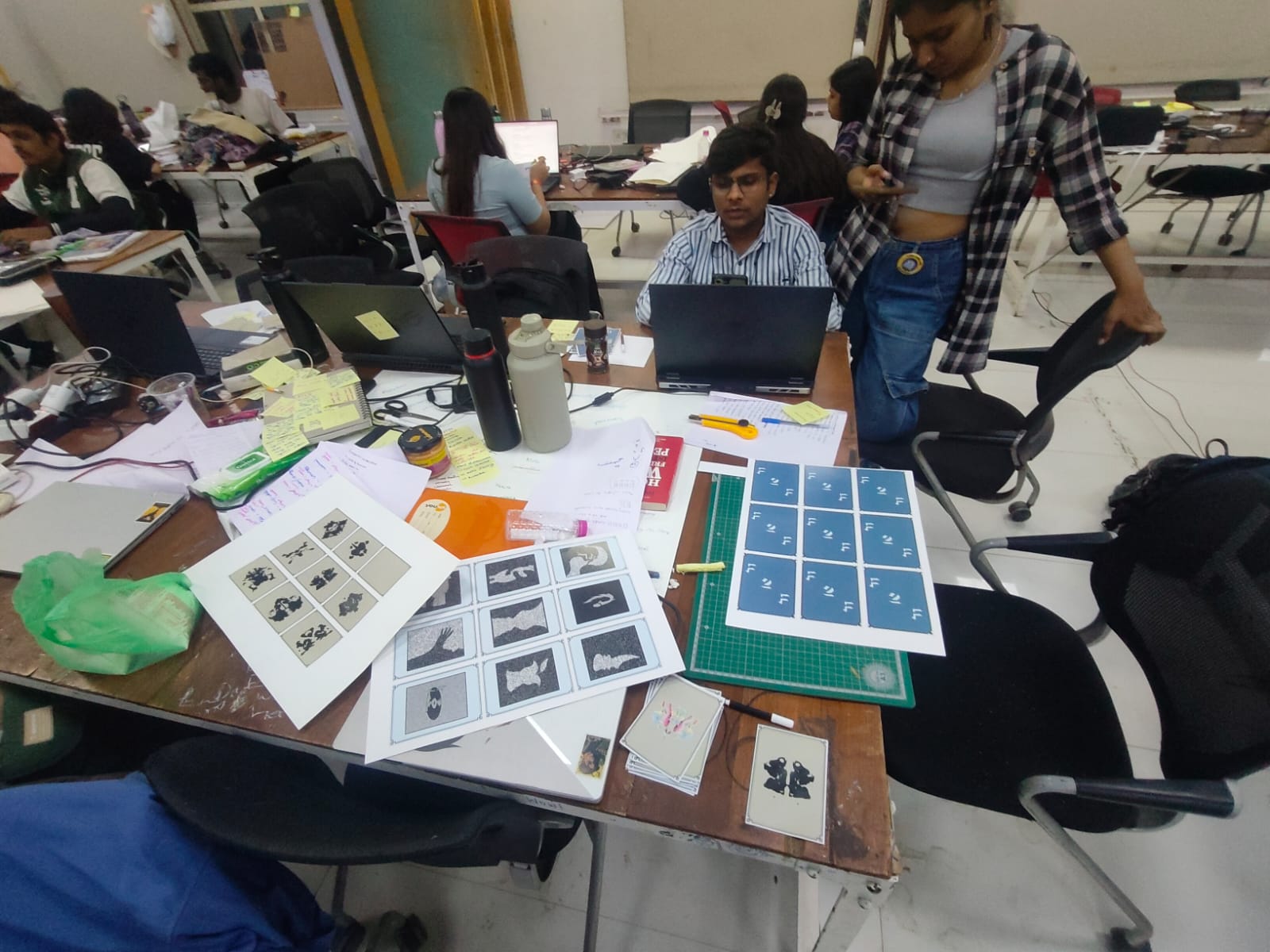
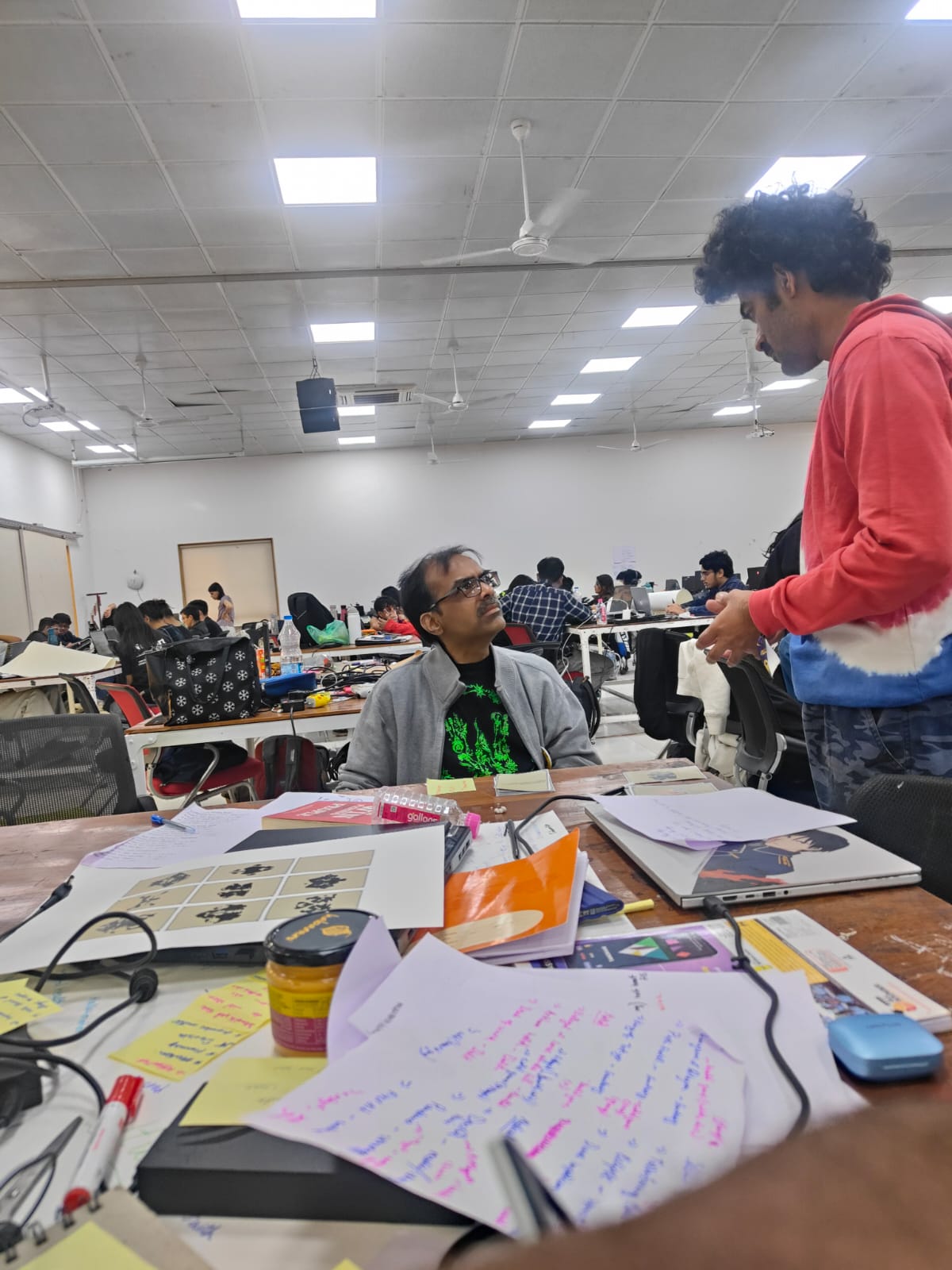
We didn't just theorize this — we validated it during a 50-person live playtest. Players dropped their social
masks within 4 minutes. One participant said they "forgot we were being filmed." That's not
engagement — that's a flow state.
03 — Game Mechanics
A cognitive slugfest — not a therapy session
F2F rejects the "Engagement Trap" — making therapy fun. We use tension as a diagnostic tool.
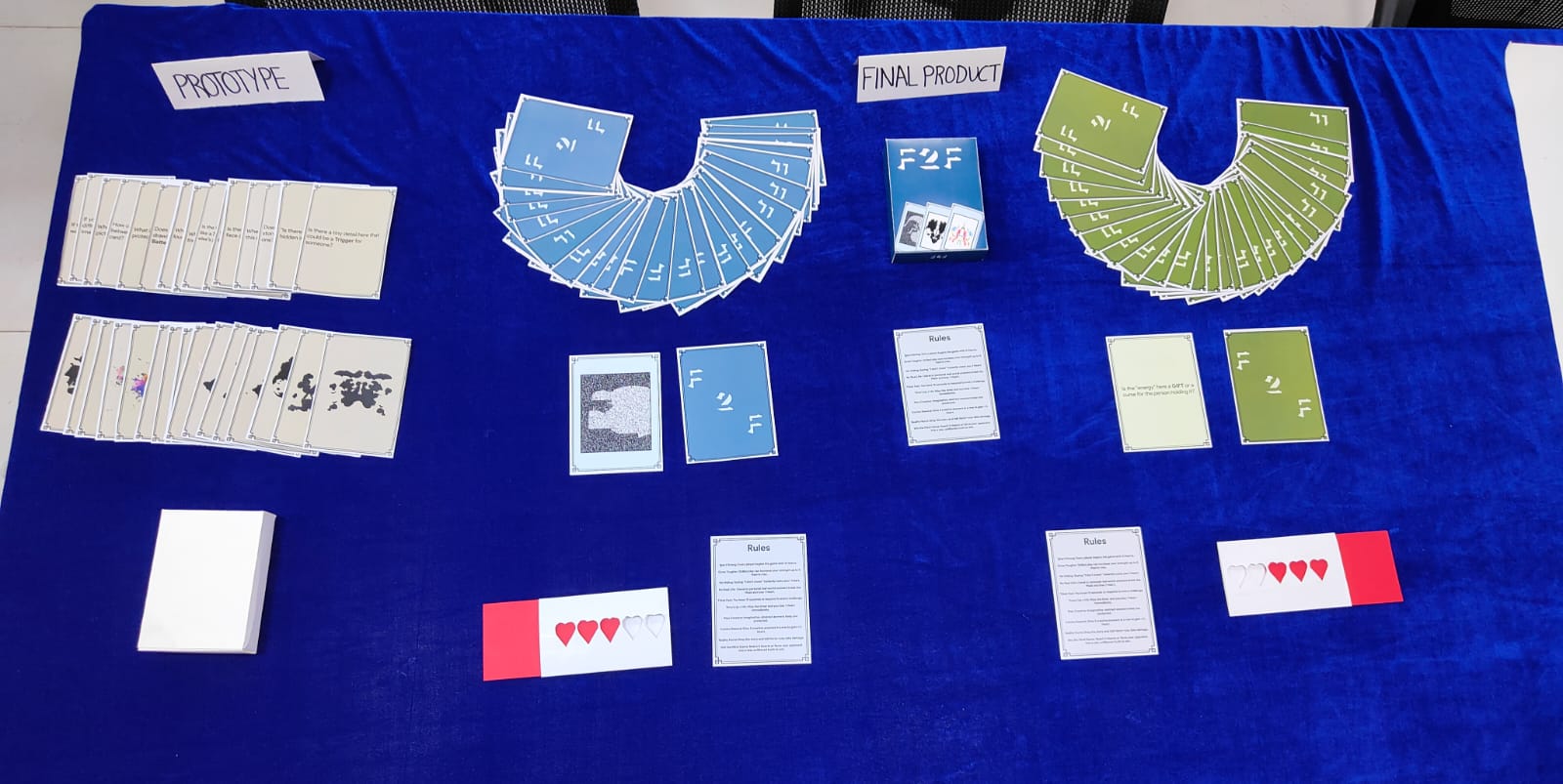
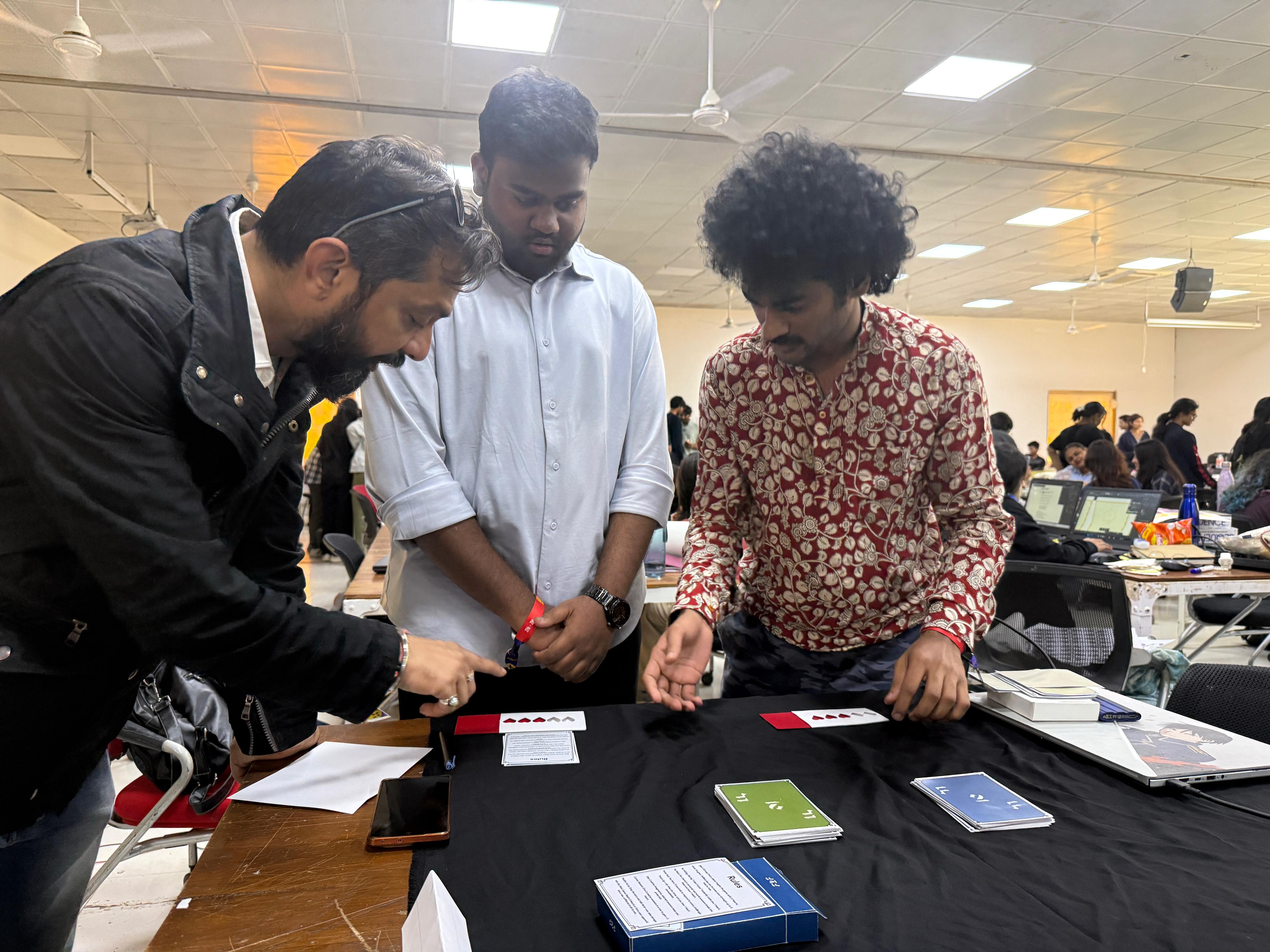
Two players. Abstract imagery. Weaponized questions. No board. No screen. Uninterrupted eye contact.
01
The Vitality System — Mask Integrity
Every player starts with 3 Hearts (expandable to 5). Hearts represent psychological stamina. Lose
one for giving a literal "IRL" answer, withdrawing, or timing out. Gain +0.5 for 3 consecutive
creative answers. When Hearts hit zero — the Mask breaks.
02
The Rorschach Engine — Projection vs. Probing
16 abstract cards in two phases: 8 B&W cards trigger the logical brain (how you build your Mask),
8 Color cards trigger emotional flooding (bypass the logic gate). Any literal description = a
defense failure.
03
The Doctor's Bluff — Hypervigilance Simulation
The Observer draws keyword cards (BURDEN, GHOST, STATIC, VOID) and can either read the printed
question or "Bluff" with a sharper, targeted probe. This simulates the hypervigilance of trauma
survivors — the Subject is always scanning for traps.
04
TFT Safety Protocol — Somatic Reset
If a player's distress exceeds 8/10 on the SUDs scale, mandatory pause. Meridian-point tapping
sequence (Eyebrow → Under Eye → Collarbone) resets the nervous system. This is a rule, not a
suggestion. We don't value truth more than the player.
04 — The Anchor System
40 keyword cards. Each one a psychological weapon.
Each card contains a bolded keyword and a coded question. The Observer uses these to probe the Subject's
interpretation of the Rorschach images. Three categories target different defense layers.
STATIC
"Does the static in this image make it hard for the characters to hear each
other?"
Probes: ADHD / Sensory Masking
BURDEN
"Which figure is carrying the burden for the other?"
Probes: Parentification / Family Enmeshment
GHOST
"Is there a ghost of a memory hidden in these shapes that only you can see?"
Probes: Intrusive Thoughts / PTSD
SHADOW
"Is the shadow more powerful than the person casting it?"
Probes: Jungian Shadow / Hidden Self
VOID
"If you stepped into the void, would you fall forever or find home?"
Probes: Emptiness / Core Trauma
GLITCH
"Is this story a glitch in reality or the real thing?"
50 participants. One collective field of vulnerability.
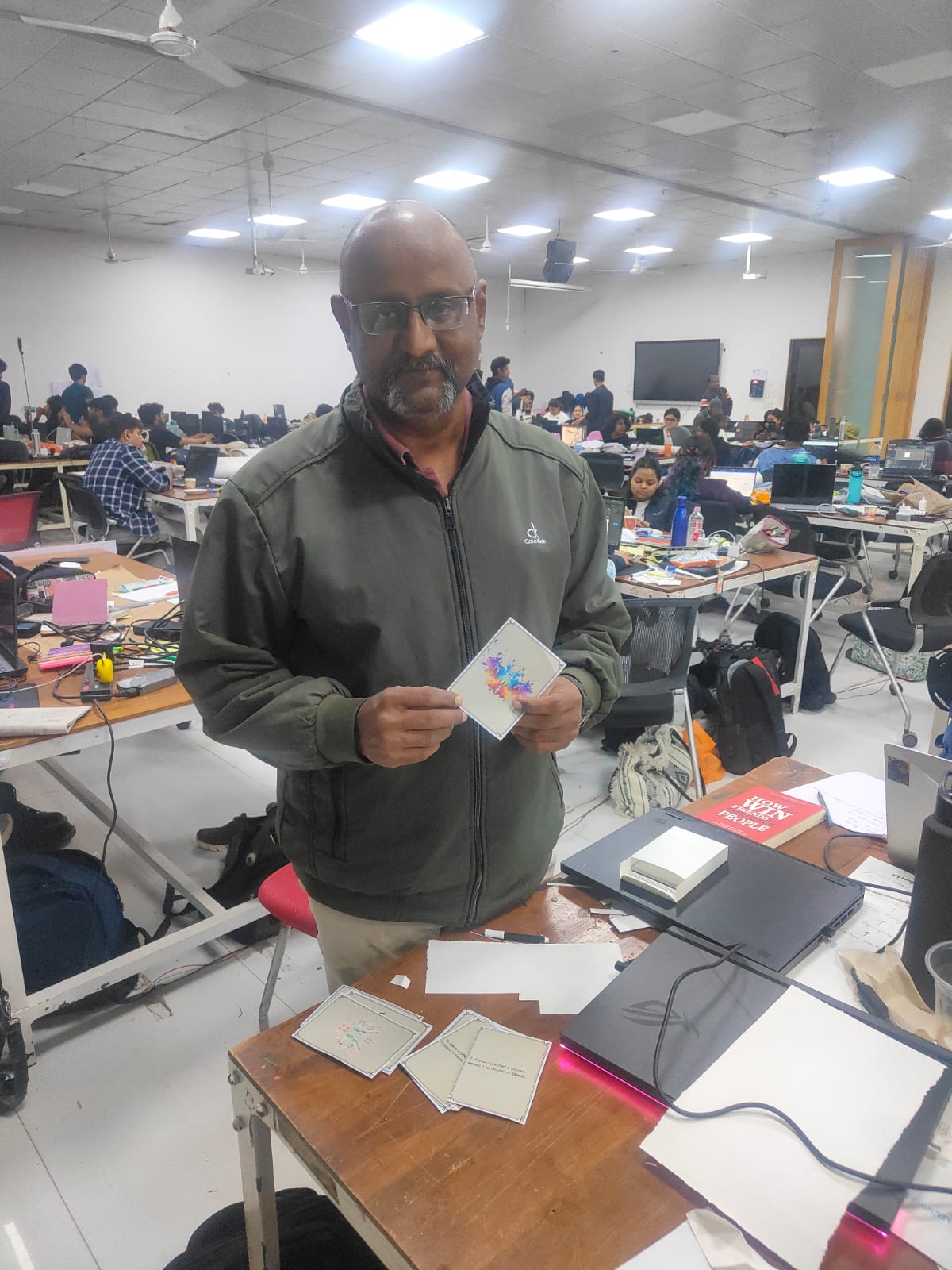
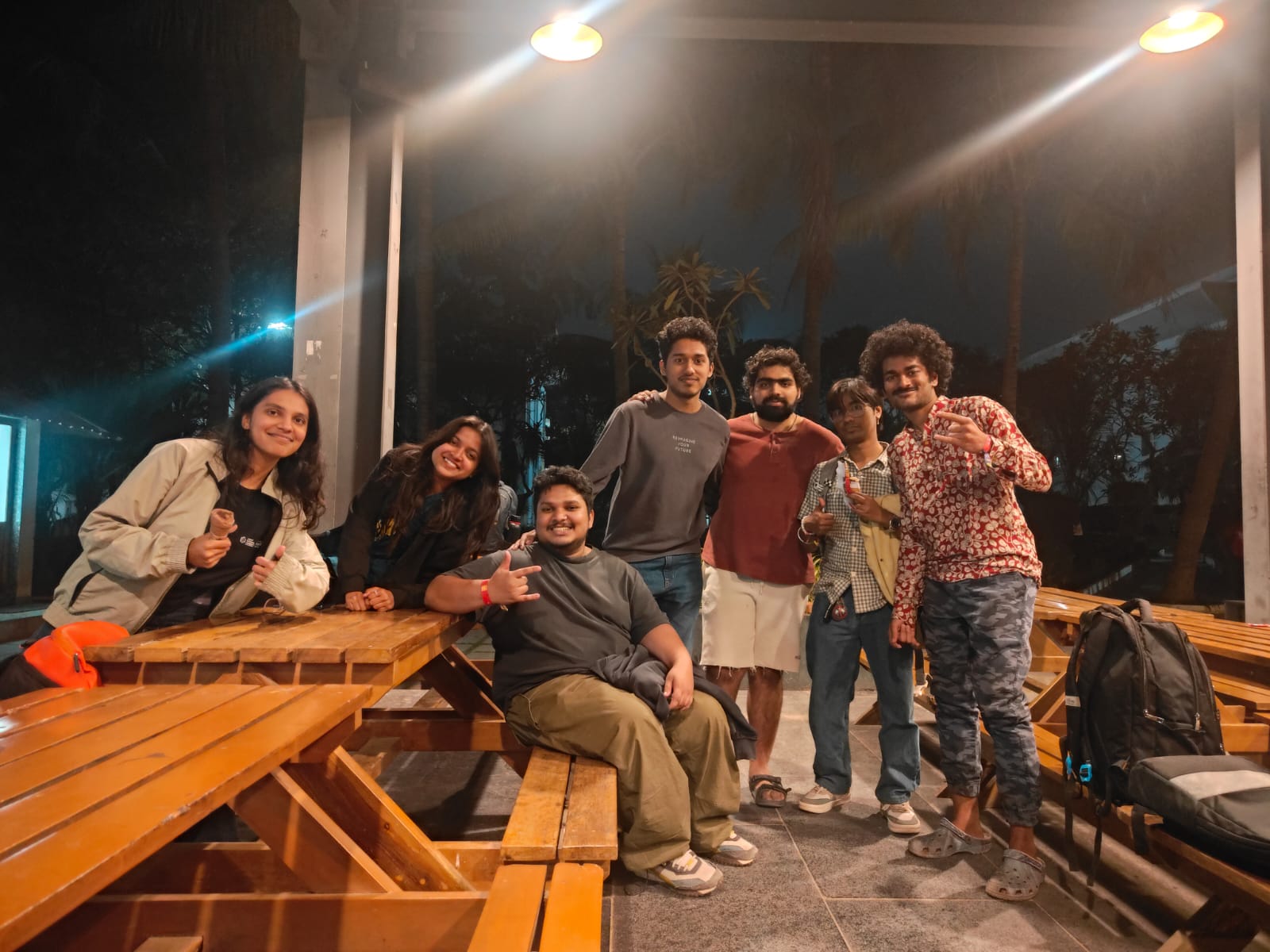
We didn't just test it in a corner — we ran a mass social experiment at the venue itself. Over 50
participants and volunteers engaged simultaneously, creating a collective arena where social masks became
impossible to maintain.
Didn't know a game could reveal one's thoughts and underlying emotions in such a subtle way. Not an
average card game.
— Playtest Participant
I forgot we were being filmed.
— Playtest Participant (indicating flow state achieved)
The game successfully induced a flow state where players dropped their social masks within 4
minutes. Faculty validated F2F for its potential as a non-invasive diagnostic
tool for social anxiety and trust disorders.
06 — My Role
Leading the design of a disguised diagnostic tool
Game Design & Mechanics
Designed the entire game system — the Vitality/Heart system, the 15-second pressure valve, the
Doctor's Bluff mechanic, the dual-phase Rorschach engine, and the TFT safety protocol. Every
mechanic maps to a clinical diagnostic function.
Psychology & Research
Synthesized the "15-second gap" insight from cognitive psych research. Designed the keyword card
system with clinically coded anchor words targeting specific trauma markers (dissociation,
enmeshment, hypervigilance). Built the SUDs/TFT safety framework.
Teaching & Mentoring
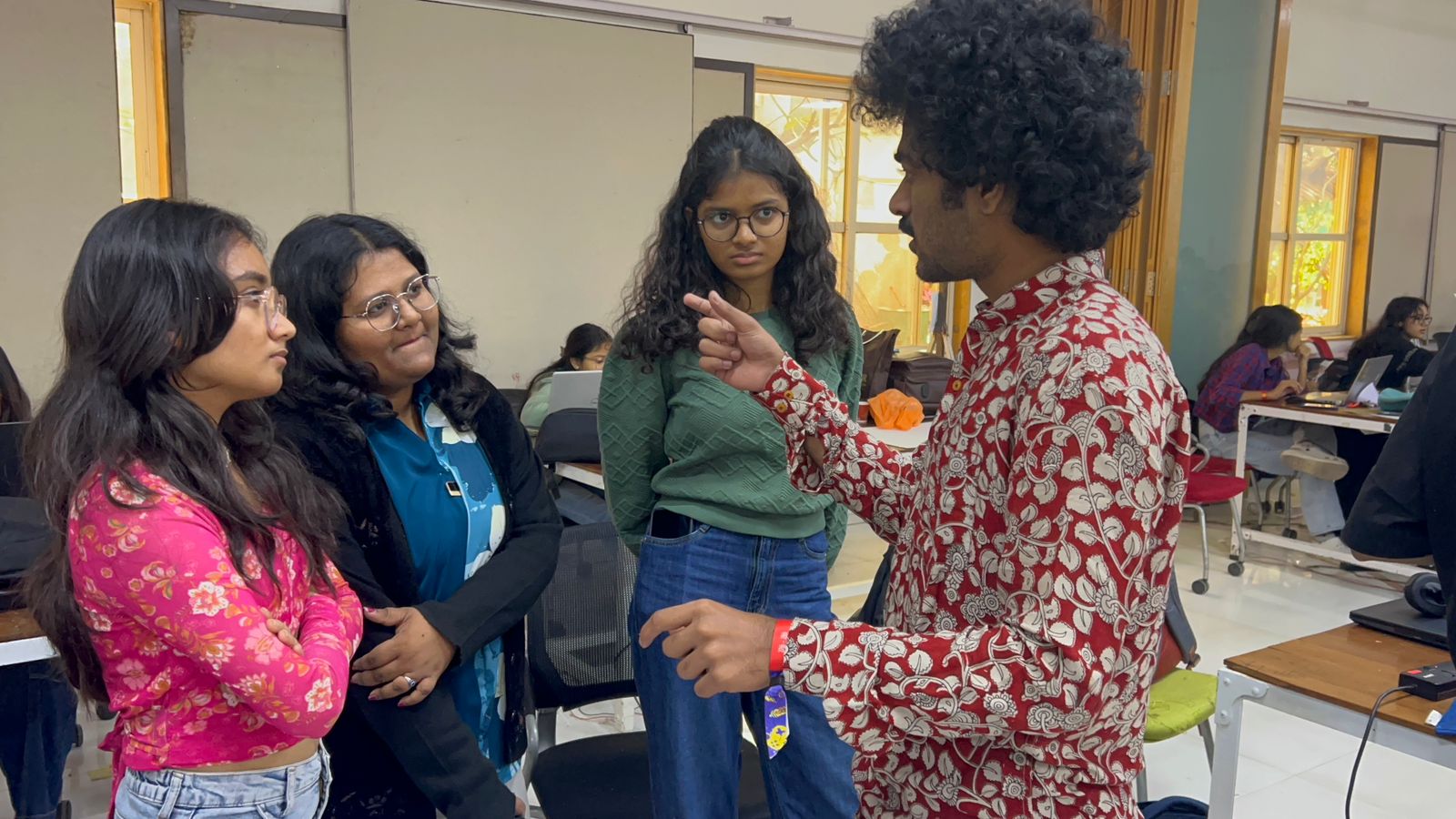
Taught juniors on the team my design process on the go — how to deconstruct a clinical system into
game mechanics, how to think about tension vs. entertainment, how to anti-scope deliberately. The
team learned design thinking in real-time under hackathon pressure.
Pitch & Presentation
Delivered the final pitch explaining "Ambiguity" and "Projection" to the jury — framing F2F not as a
game but as a product disguised as one. The jury recognized its potential as a fundable clinical
tool, not just a hackathon entry.
07 — Outcome
We didn't win the jam. We won something better.
F2F didn't take a prize at the Global Game Jam — but it earned something more valuable. The jury
recognized it as a potentially fundable product — a clinical tool disguised as a game, with
real diagnostic utility for social anxiety, trust disorders, and neuro-disability masking in the 13–25
demographic.
The Real Win
"In F2F, we replace the 'Fun' of traditional gaming with the 'Weight' of shared truth. Winning isn't
about points; it's about the resilience of the Mask. The game ends when the performance stops
and the truth is finally seen Face 2 Face."